

You leave a concert, step outside, and suddenly notice a high-pitched ringing or buzzing in your ears. Voices may sound slightly muffled, and everything feels quieter than it did before the show.
This is a common experience after exposure to loud music, but it should not simply be dismissed as part of a good night out. Ringing after a concert is a sign that your ears have been exposed to a level of sound that stressed the hearing system.
The ringing may fade, but repeated exposure to loud sound can eventually contribute to permanent tinnitus or noise-induced hearing loss.
Why do your ears ring after a concert?
The ringing, buzzing, humming, or other sound you hear without an external source is called tinnitus.
According to the World Health Organization, exposure to loud sounds can fatigue the sensory cells involved in hearing. After a loud concert, this may temporarily result in tinnitus or muffled hearing while those cells recover.
The problem is that the louder the sound and the longer you are exposed to it, the greater the risk of permanent damage. Repeated loud-noise exposure can damage sensitive structures inside the inner ear and lead to irreversible noise-induced hearing loss, persistent tinnitus, or both.
So, is ringing after a concert normal?
It is common, but “common” does not mean harmless.
Temporary tinnitus after loud music may disappear after a while. The National Institute on Deafness and Other Communication Disorders (NIDCD) notes that temporary hearing changes after loud-noise exposure can sometimes disappear within 16 to 48 hours.
However, the same guidance cautions that even when hearing seems to return to normal, there may still be residual long-term damage.
That is why post-concert ringing is better treated as a warning sign: your ears are telling you that the sound exposure was significant.
Does ringing mean you have permanent hearing damage?
Not necessarily. You cannot determine from ringing alone whether permanent hearing loss has occurred.
For some people, tinnitus and muffled hearing improve after the ears have had time away from loud sound. For others, tinnitus may persist or return repeatedly, especially after repeated exposure.
Noise-induced hearing loss can also develop gradually. You may not notice an obvious change immediately, even while cumulative damage is occurring.
Possible signs that deserve attention include:
- Ringing or buzzing that does not settle
- Sounds remaining muffled
- Difficulty understanding conversations, especially in noisy places
- Trouble hearing high-pitched sounds
- Needing to increase the volume of devices more than before
What should you do after a loud concert?
Give your ears a quieter period
Avoid adding more unnecessary loud-sound exposure immediately afterwards. Keep headphones and speakers at a moderate level and take breaks from noisy environments.
This is not a treatment that can reverse hearing damage; it simply avoids adding further sound exposure while your hearing system recovers from the event.
Do not rely on a “cure” for post-concert ringing
There is no drink, supplement, ear-cleaning method, or other quick home remedy that can undo noise damage after it has happened.
Prevention at the next loud event is far more useful than trying to repair excessive exposure afterwards.
Pay attention to how your hearing changes
If the ringing and muffled sensation gradually improve, continue protecting your ears from unnecessary loud noise.
If symptoms persist, repeatedly return after loud events, or you are concerned that your hearing has changed, arrange a hearing assessment with a qualified healthcare or hearing professional.
When should ringing in the ears be taken more seriously?
Persistent tinnitus should be assessed rather than ignored. Seek medical advice if the ringing continues, becomes troublesome, occurs mainly in one ear, or is accompanied by noticeable hearing changes.
Sudden hearing loss requires prompt medical attention. The NIDCD considers sudden sensorineural hearing loss a medical emergency because delaying assessment and treatment can reduce the chance of recovery.
Seek urgent medical care if tinnitus occurs together with sudden hearing loss, severe dizziness or spinning sensations, facial weakness, or after a significant head injury.
How loud are concerts?
Concert volume varies considerably depending on the venue, music, sound system, your position, and how long you stay.
The NIDCD lists concerts, sporting events, and music through headphones at maximum volume at approximately 94 to 110 dBA. At these levels, the amount of time you can be exposed before hearing risk increases can become surprisingly short.
A useful practical warning is communication: if you need to shout for someone at arm's length to hear you, the environment is loud enough that hearing protection is worth considering.
How can you protect your hearing at the next concert?
1. Wear hearing protection before your ears start ringing
Do not wait until the music feels painfully loud or your ears begin ringing. If you expect a loud event, bring hearing protection and wear it while the exposure is happening.
The NIDCD recommends hearing protectors such as earplugs or earmuffs for concerts and other loud recreational environments.
2. Move farther away from loudspeakers
Where you stand matters. Sound exposure generally decreases as you move farther from the source, so avoid spending an entire event immediately beside a speaker stack when you have another option.
3. Take breaks from the loudest areas
Both sound level and duration affect risk. Moving to a quieter area periodically reduces the amount of continuous loud-sound exposure your ears receive.
4. Consider filtered music earplugs
Some people avoid earplugs at concerts because they worry the music will sound dull or unclear. This is where purpose-designed music earplugs can be useful.
Unlike basic foam plugs, filtered music earplugs are designed to reduce the overall sound level while retaining more of the balance and clarity of music and conversation.
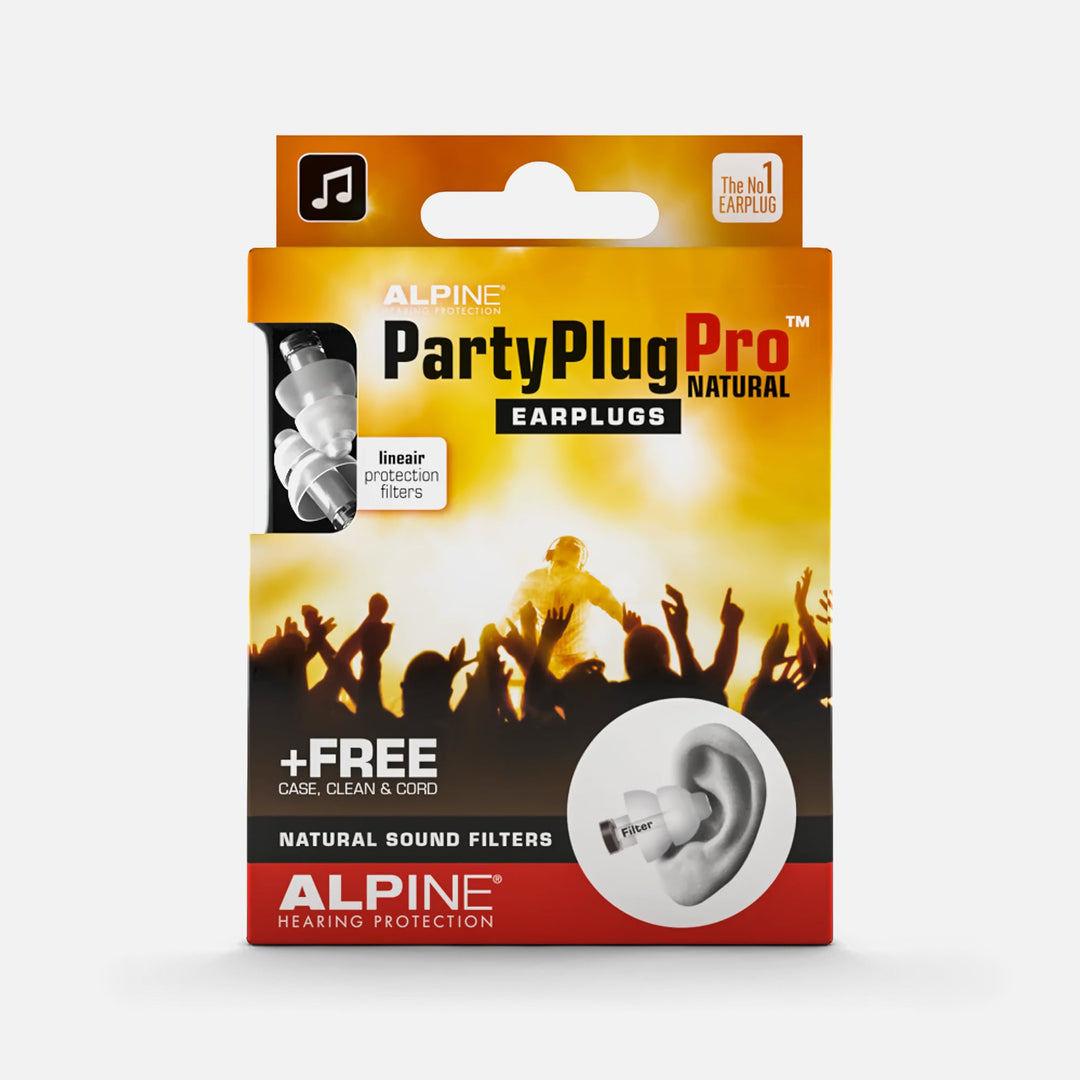
For concertgoers, Alpine PartyPlug Concert Earplugs use a dedicated music filter and are designed for concerts, festivals, clubs, and other loud music environments.
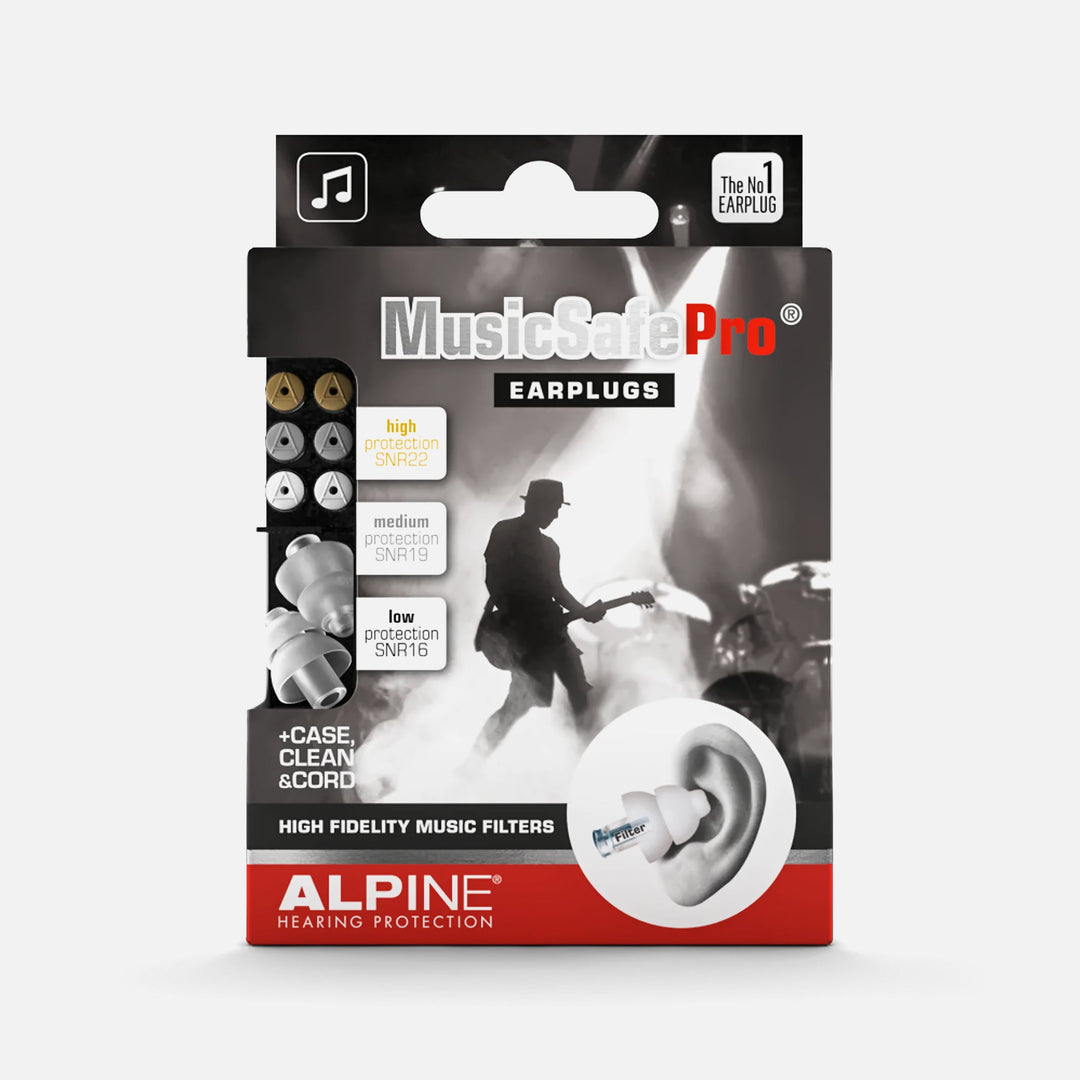
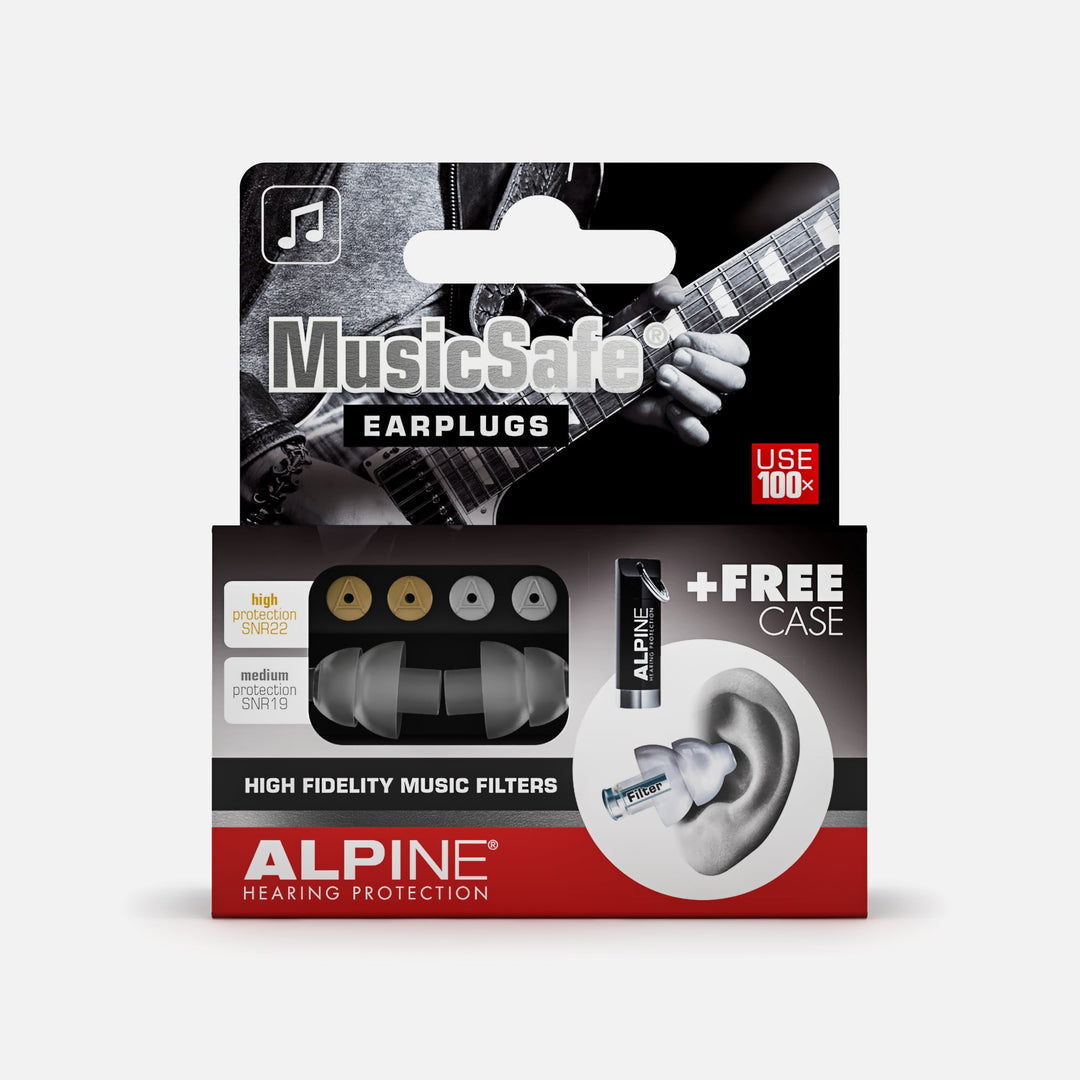
For musicians, DJs, and people who need more flexibility across different sound environments, Alpine MusicSafe Pro Earplugs include interchangeable filters with different attenuation levels.
You can also explore our Music + Party hearing protection collection for other options designed around live music and noisy events.
No earplug makes unlimited exposure to loud sound safe. Correct fit, the amount of attenuation, your distance from the sound source, and the duration of exposure all still matter.
Foam earplugs or filtered concert earplugs?
Both can reduce sound, but they serve somewhat different priorities.
Foam earplugs can provide substantial noise reduction and are useful when maximum attenuation is more important than preserving the natural character of music.
Filtered music earplugs are intended to make loud music more manageable while maintaining a more natural listening experience, which can make them easier to keep in throughout an entire concert.
The best protection is the one that fits correctly and that you actually wear for the duration of the loud exposure.
Will earplugs ruin the concert experience?
They should make the music quieter, because that is the point of hearing protection. But quieter does not necessarily mean worse.
A well-fitted filtered earplug can reduce excessive sound while still allowing you to hear the performance and communicate with people around you. In a very loud venue, some listeners may even find the sound more comfortable and easier to appreciate.
It is better to leave a concert remembering the music than leave with ringing ears and wonder whether your hearing will return to normal.
The simple answer
Ringing ears after a concert are common, but they are not a sign to ignore. Temporary tinnitus may fade, yet it indicates that your hearing system has experienced significant sound exposure.
The most effective strategy is prevention: use properly fitted hearing protection, move away from loudspeakers when possible, take breaks from loud sound, and limit how long you remain in very noisy environments.
If ringing persists, repeatedly occurs after loud events, or is accompanied by a noticeable change in hearing, have your hearing assessed. Sudden hearing loss should be treated as an urgent medical issue.
This article provides general educational information and is not a substitute for diagnosis or advice from a qualified healthcare professional.


Leave a comment