

A snoring partner, traffic outside the window, noisy neighbours, or an unfamiliar hotel room can make falling asleep difficult. For many people, sleep earplugs are a simple way to reduce distracting noise and create a quieter environment for rest.
But if you use them night after night, an obvious question comes up: is it safe to sleep with earplugs every night?
For most healthy adults, frequent earplug use can be safe when the earplugs are clean, fitted correctly, comfortable, and not causing earwax buildup or pain. The bigger concerns are usually not the fact that you wear earplugs, but how you use and maintain them.
Can sleeping with earplugs every night damage your hearing?
Earplugs themselves are designed to reduce the amount of sound reaching your ears. When used correctly, they are not generally expected to damage your hearing.
According to Harvard Health Publishing, frequent earplug use should be safe as long as the earplugs are clean and inserted properly, and they are not causing earwax buildup or pain.
Problems are more likely to develop when earplugs are dirty, poorly fitted, pushed too far into the ear, or continually worn despite discomfort.
What are the main risks of sleeping with earplugs?
1. Earwax buildup
Earwax is normal. It helps protect and clean the ear canal and usually works its way outward naturally.
Regularly placing objects such as earplugs into the ear canal can interfere with that process. Earplugs may push wax farther inward or prevent it from leaving the canal as easily, increasing the chance of a blockage.
NHS-linked guidance on earwax buildup lists regular earplug use as one factor that can contribute to wax becoming impacted.
Possible signs of excess earwax include:
- A blocked or full feeling in the ear
- Reduced or muffled hearing
- Earache
- Itching
- Ringing in the ear
- Dizziness
If you develop these symptoms, do not try to dig the wax out with cotton buds, fingers, or other objects. This can push it deeper or injure the ear canal.
2. Irritation from a poor fit
An earplug should create a useful seal without causing pain.
If you regularly wake with sore ear canals, pressure, tenderness, or itching, the plug may be too large, inserted too deeply, too firm for your ears, or simply the wrong shape.
This is especially noticeable for side sleepers because the pillow adds pressure against the ear. A lower-profile or softer earplug can make a significant difference.
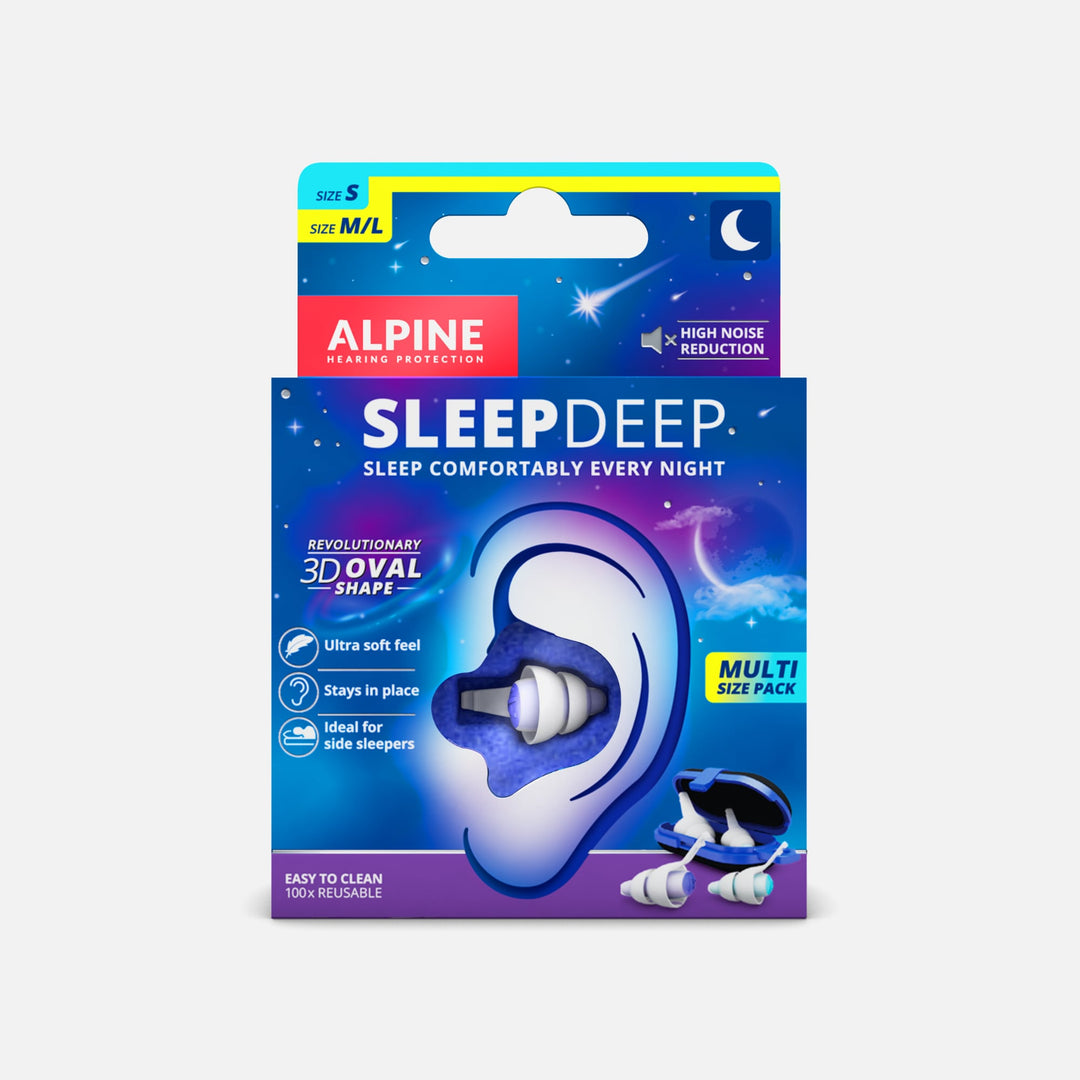
For example, Alpine SleepDeep Earplugs use an oval, low-profile design intended for sleeping and are available in different sizes. Another option, Mack's Sound Asleep Soft Foam Earplugs, uses soft foam with a hollow-end design intended to improve comfort during sleep.
The important point is not that one design works for everyone. Ear canals vary considerably, so a comfortable fit for one person may feel too loose or too tight for another.
3. Hygiene and ear-canal irritation
Earplugs come into contact with earwax, skin oils, moisture, bedding, hands, and bedside surfaces. Reusing dirty earplugs repeatedly is therefore a poor habit.
The outer ear canal is lined with delicate skin. Irritation or damage to this skin, combined with moisture and contamination, can increase the chance of an outer-ear infection.
Cleveland Clinic advises avoiding earplugs while an outer-ear infection is present and disinfecting reusable earplugs before wearing them again after recovery.
If you experience persistent ear pain, discharge, swelling, significant itching, or muffled hearing, stop using the earplugs and seek medical advice rather than continuing to wear them through the symptoms.
4. Missing alarms or important sounds
Earplugs reduce sound; they do not selectively know which sounds you want to ignore.
That means a highly effective pair may also make an alarm, doorbell, crying child, smoke alarm, or other important sound less noticeable.
If hearing an alarm is essential, test your setup while awake. You may need a louder alarm, vibration alarm, smartwatch alert, or another backup appropriate to your situation.
Do not assume that because you can hear your alarm without earplugs, you will hear it at the same volume while wearing them.
How can you use sleep earplugs more safely?
Start with clean hands
Wash and dry your hands before handling earplugs, particularly anything that will sit inside the ear canal.
Avoid handling them immediately after applying hand cream, oil, or other products that may transfer onto the plug.
Keep reusable earplugs clean
Follow the manufacturer's cleaning instructions because different materials require different care.
For example, Alpine recommends cleaning its reusable earplugs with lukewarm water and soap and drying them before use. Disposable foam earplugs, on the other hand, should be replaced regularly rather than treated as permanently reusable products.
Whatever type you use, replace an earplug if it becomes dirty, damaged, hardened, deformed, or no longer fits or seals properly.
Do not force an earplug deeper for more noise reduction
More depth does not automatically mean better or safer noise reduction.
Foam earplugs should be fitted according to their instructions so they expand gently into a secure seal. If the plug hurts, feels excessively tight, or requires force, remove it and reassess the fit.
If standard foam earplugs consistently feel too large, trying a smaller design may be more sensible than forcing a standard-size plug into a narrow ear canal.
Understand the difference between foam and moldable silicone
Not every sleep earplug is worn in the same way.
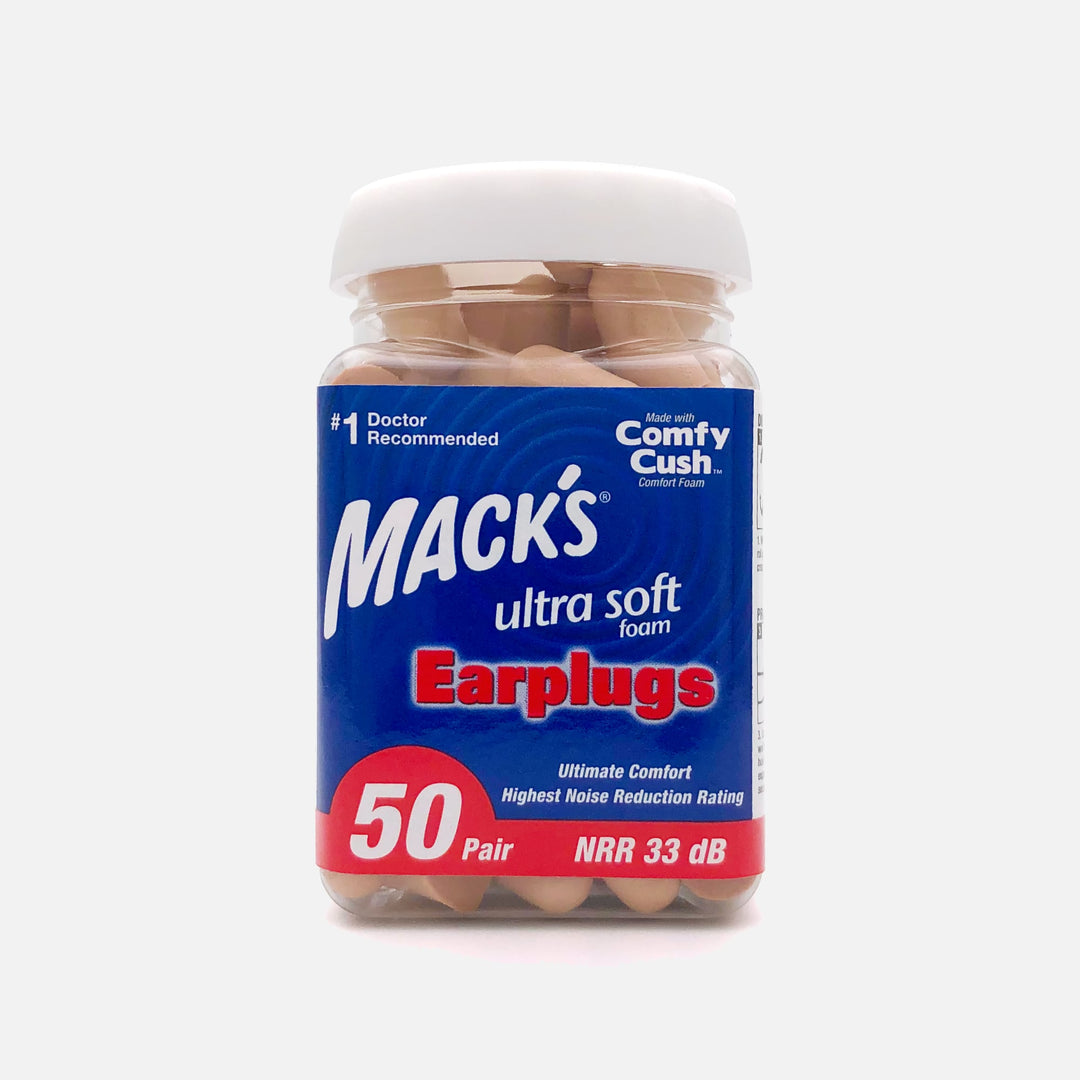
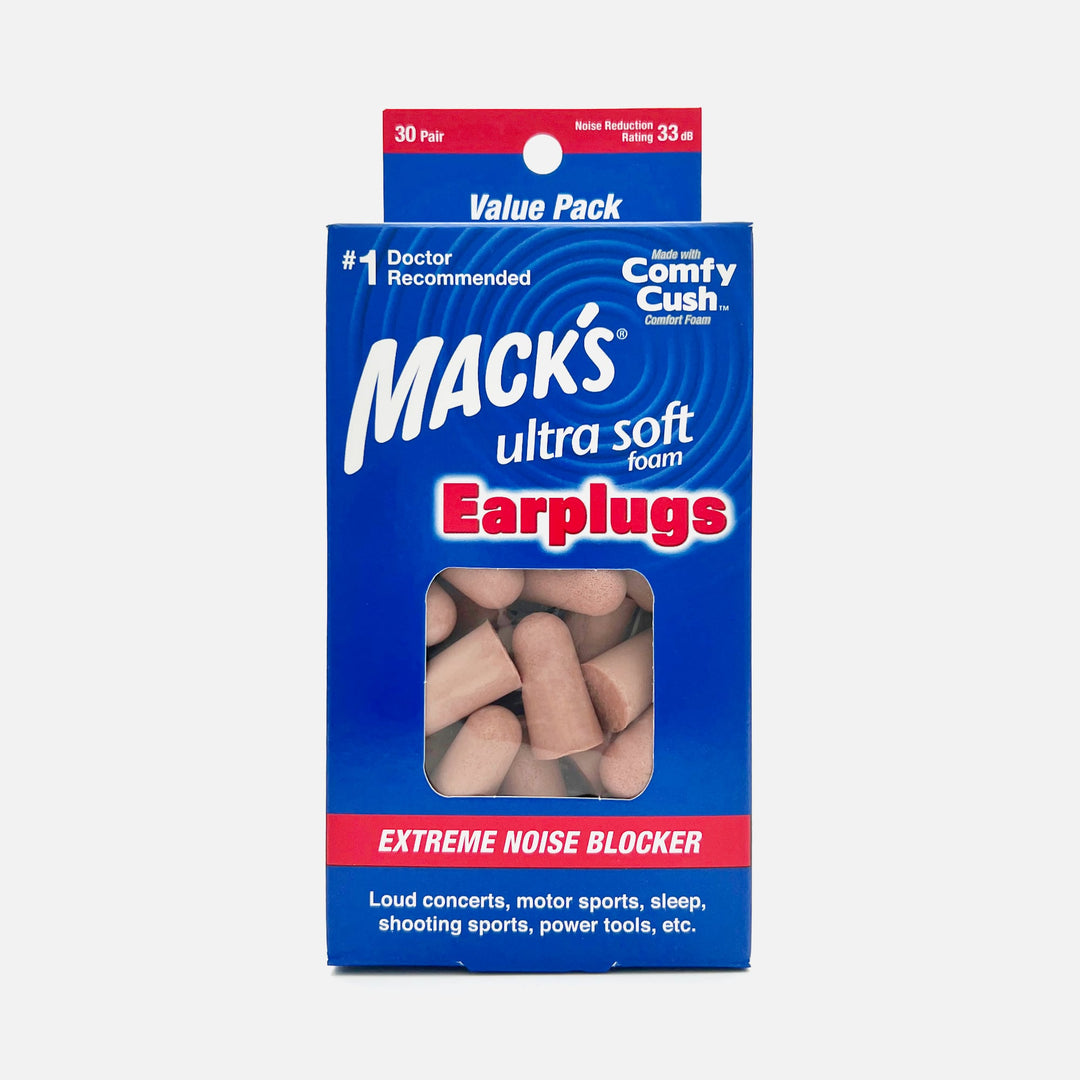
Foam earplugs are compressed and inserted into the ear canal, where they expand to form a seal.
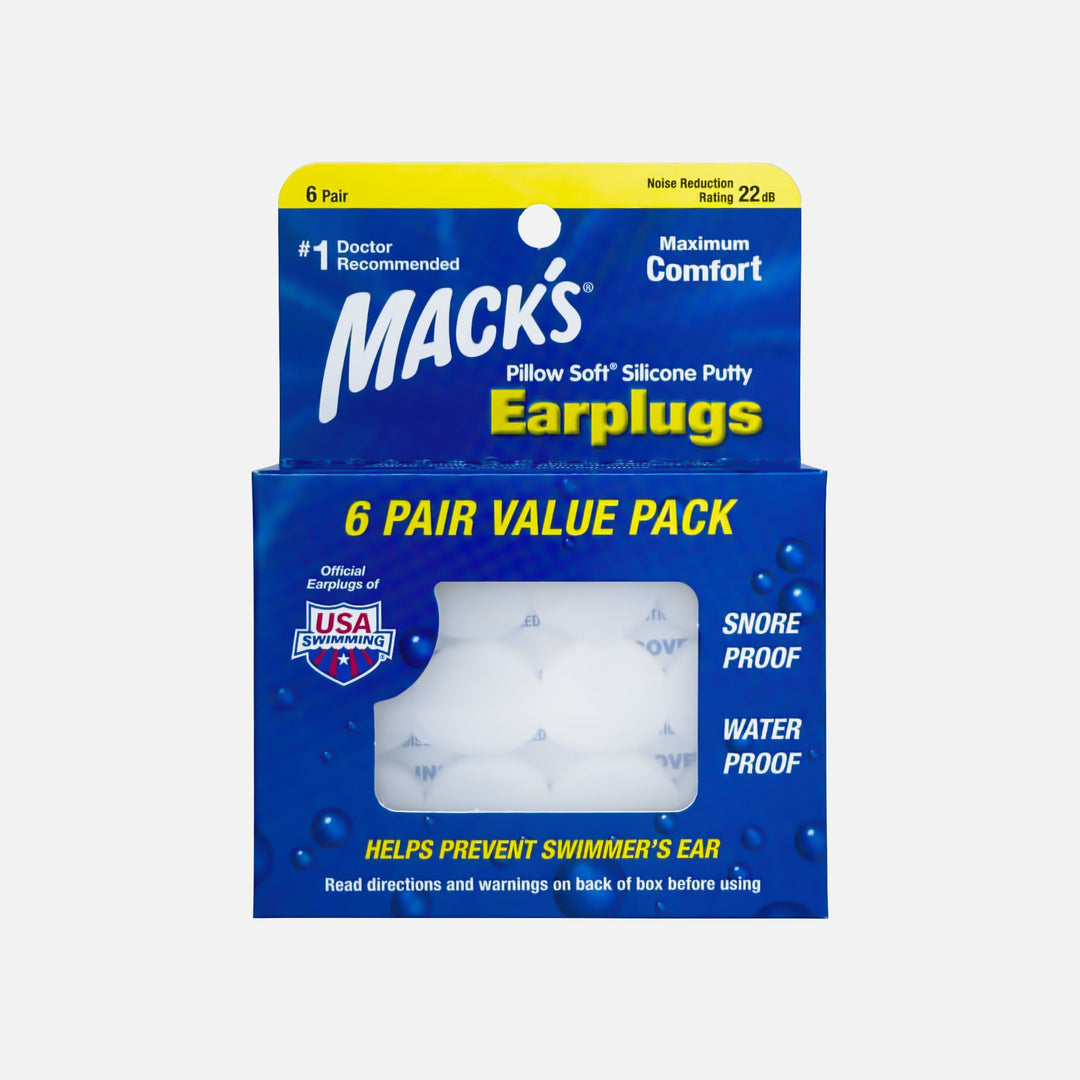
Moldable silicone putty products, such as Mack's Pillow Soft Silicone Putty Earplugs, work differently. The putty is shaped over the ear opening to form a seal and should not be pushed into the ear canal.
Always follow the directions for the specific type you are using rather than assuming all earplugs are inserted in the same way.
Give attention to recurring earwax problems
If you regularly wear earplugs and repeatedly develop blocked ears, reduced hearing, or heavy wax buildup, simply changing earplugs may not solve the underlying problem.
An audiologist, doctor, or other qualified healthcare professional can examine the ear canal and determine whether wax is actually causing the symptoms.
Avoid routinely inserting cotton buds or other objects to "clean" inside the ear. Earwax normally has a protective role and does not need to be removed unless it is causing a problem.
Which type of earplug is best for sleeping?
There is no single best earplug for every sleeper. Comfort and fit usually matter as much as the published noise-reduction rating when you plan to wear something for several hours.
Consider:
- Your ear-canal size: A plug that is too large can create uncomfortable pressure, while one that is too small may not seal properly.
- Your sleeping position: Side sleepers often benefit from low-profile designs that do not protrude far from the ear.
- The noise you are trying to reduce: Snoring, traffic, neighbours, and general background noise may require different levels of attenuation.
- Disposable or reusable: Foam can be convenient, while reusable earplugs may suit people who prefer a washable design.
- In-canal or over-the-opening: Some people prefer foam or reusable in-ear designs, while others find moldable silicone putty more comfortable because it covers the ear opening instead of being pushed into the canal.
If you are unsure, trying a small quantity or multi-size option before committing to a larger pack is often more practical than assuming the highest noise rating will automatically be the most comfortable choice.
Do you need complete silence to sleep?
No. The goal of sleep earplugs is usually to make disruptive noise less noticeable, not to create absolute silence.
No conventional earplug blocks every sound, and complete sound isolation would not necessarily be desirable because some environmental awareness may still be important.
Choose enough noise reduction to make your sleeping environment comfortable rather than assuming that the strongest possible attenuation is always the best option.
When should you stop wearing earplugs?
Take a break from earplugs and seek medical advice if you develop:
- Persistent or worsening ear pain
- Fluid, pus, or blood from the ear
- Significant itching or swelling
- Sudden or persistent hearing changes
- A recurring blocked-ear sensation
- Dizziness associated with ear symptoms
Continuing to insert an earplug into an already irritated or infected ear canal can make matters worse.
The simple answer
For most healthy adults, sleeping with earplugs every night can be safe when they are clean, correctly fitted, and comfortable.
The habits around the earplugs matter: keep reusable products clean, replace disposable or worn plugs regularly, avoid forcing anything into the ear, and pay attention to earwax buildup, irritation, or pain.
The best sleep earplug is not necessarily the one with the highest noise-reduction number. It is one that reduces the noise bothering you while fitting comfortably enough for repeated overnight use.
If your ears repeatedly become painful, blocked, itchy, or irritated, stop treating the problem as a simple earplug issue and have your ears examined.
This article provides general educational information and is not a substitute for diagnosis or advice from a qualified healthcare professional.


Leave a comment