

Mouth taping has become a popular sleep trend on social media. Supporters claim that keeping the mouth closed encourages nasal breathing, reduces snoring, prevents a dry mouth, and improves sleep quality.
The idea may sound simple, but mouth breathing is often a symptom rather than the underlying problem. Taping the mouth closed does not explain why someone is breathing through their mouth, and it may create additional risk if nasal breathing becomes difficult during the night.
Current research does not support mouth taping as a routine do-it-yourself sleep remedy. Before trying to stop mouth breathing, it is more important to understand what may be causing it.
What is mouth taping?
Mouth taping generally refers to placing an adhesive product over or around the lips before sleeping, with the intention of keeping the mouth closed and encouraging breathing through the nose.
It is often promoted online as a solution for snoring, poor sleep, dry mouth, bad breath, or even sleep apnea. However, these claims are much broader than the available research supports.
Mouth taping also does not treat nasal blockage, narrowing of the upper airway, or the repeated interruptions in breathing caused by obstructive sleep apnea.
Does mouth taping improve sleep?
The evidence remains limited and inconsistent.
A 2025 systematic review of mouth taping during sleep examined 10 studies involving a total of 213 participants. A small number of studies reported improvements in certain sleep-related measurements among carefully selected participants, while other studies found no meaningful benefit. Many of the studies also excluded people with nasal obstruction or other nasal conditions.
The researchers concluded that more evidence is needed to establish whether mouth taping provides a genuine clinical benefit. They also highlighted potential risks when it is used indiscriminately, particularly when nasal airflow is obstructed.
This means the results from small, closely controlled studies should not be treated as proof that mouth taping is safe or effective for everyone.
Why can mouth taping be risky?
Your ability to breathe through your nose can change during the night. Temporary congestion, irritation, swelling, or another form of nasal obstruction may reduce airflow.
If the mouth has been deliberately kept closed, it may become more difficult to switch naturally to mouth breathing when nasal airflow becomes restricted.
Mouth taping may be especially concerning for someone who:
- Cannot breathe comfortably through the nose
- Frequently wakes with breathing difficulty
- Snores loudly or regularly
- Gasps or chokes during sleep
- Has witnessed pauses in breathing
- Experiences unexplained excessive daytime sleepiness
- Has diagnosed or suspected sleep apnea
These signs should not simply be covered up with a sleep trend. They warrant discussion with a qualified healthcare professional.
Is snoring the same as sleep apnea?
No. A person can snore without having sleep apnea, but loud or persistent snoring can also be one of its warning signs.
According to the National Heart, Lung, and Blood Institute, sleep apnea causes breathing to repeatedly stop and restart during sleep. Possible symptoms can include loud snoring, gasping for air, breathing pauses, poor-quality sleep, and excessive daytime sleepiness.
A retail sleep product cannot determine whether snoring is harmless or related to an underlying breathing disorder. Proper assessment may require a medical history, physical examination, or sleep study.
Why might someone breathe through their mouth at night?
Nighttime mouth breathing can happen for different reasons. For some people, it may occur only when the nose is temporarily blocked. For others, it may be persistent or associated with snoring and disrupted breathing.
A useful first step is to notice the pattern:
- Does it happen only during a cold or temporary nasal congestion?
- Does it happen every night?
- Is it accompanied by loud snoring, gasping, or pauses in breathing?
- Do you regularly wake with a dry mouth, headache, or poor-quality sleep?
- Do you remain unusually tired or sleepy during the day?
Persistent symptoms are more useful as a reason to investigate the cause than as a reason to tape the mouth closed.
What can you consider instead of mouth taping?
1. Address persistent symptoms rather than covering them up
If mouth breathing, snoring, or disrupted sleep happens regularly, speak with a doctor, dentist, ear, nose and throat specialist, or qualified sleep professional. The appropriate response depends on the cause.
Medical assessment is particularly important when snoring is accompanied by breathing pauses, gasping, choking, or excessive daytime sleepiness.
2. Support nasal airflow without forcing the mouth closed
When restricted nasal airflow appears to be part of the problem, a mechanical nasal-opening product may be an option for some people.
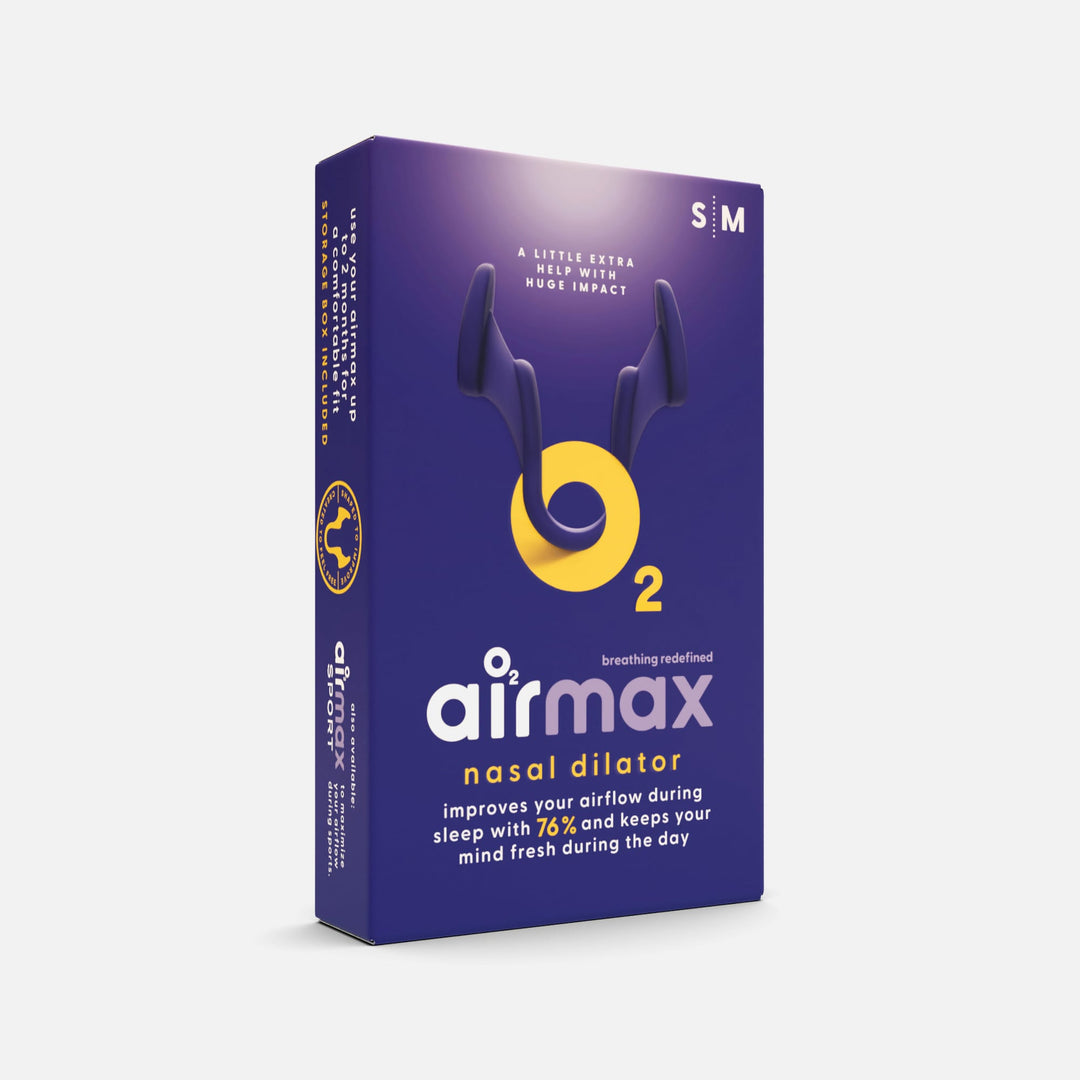
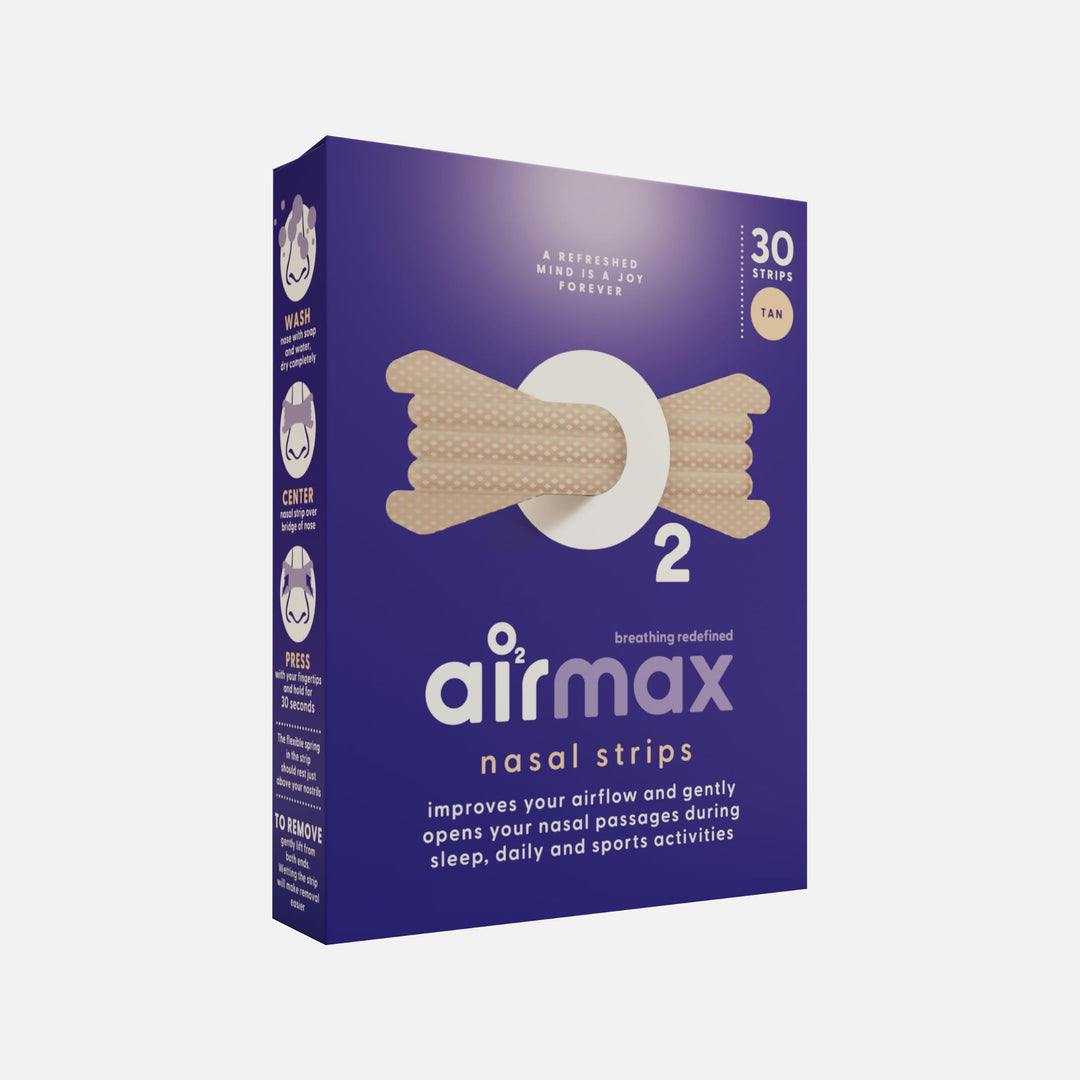
An internal nasal dilator, such as the Airmax Nasal Dilator Classic, is designed to sit inside the nostrils and gently widen the nasal passages. An external option, such as Airmax Nasal Strips, Clear, is worn across the outside of the nose.
These products work differently from mouth tape because they are intended to support nasal airflow rather than prevent the mouth from opening.
However, nasal dilators and strips do not diagnose or treat sleep apnea, and they cannot guarantee that snoring will stop. They should not be used to delay medical assessment when warning signs are present.
3. Protect a bed partner from disruptive noise
Snoring can also disturb the person sleeping beside the snorer. Sleep earplugs may reduce how much sound reaches the bed partner’s ears.
Reusable options such as Alpine SleepDeep Earplugs are designed for noise reduction during sleep. Earplugs may make the sleeping environment quieter, but they do not address the cause of the other person’s snoring or breathing difficulty.
A bed partner should still mention any observed gasping, choking, or pauses in breathing rather than simply trying to block out the sound.
4. Treat temporary causes separately
If mouth breathing appears only during a short-term illness or temporary nasal blockage, wait until normal nasal breathing has returned before considering any product intended to support nighttime nasal airflow.
Do not use mouth taping as a way to force nasal breathing when the nose already feels blocked.
Can a nasal dilator replace mouth tape?
They are not direct substitutes because they do different things.
Mouth tape attempts to keep the lips closed. A nasal dilator or nasal strip is designed to mechanically support the opening of the nasal passages without sealing the mouth.
For someone whose nasal passages feel narrow but who can otherwise breathe normally, a nasal-opening product may be a more logical option to consider according to its instructions. However, it is not a solution for every cause of mouth breathing or snoring.
If you cannot breathe comfortably through your nose without forcing your mouth closed, the priority should be identifying the reason—not finding a stronger way to keep the mouth shut.
The simple answer
Mouth taping is widely promoted as an easy sleep hack, but the available evidence is too limited to support it as a routine remedy. It may also create additional risk when nasal breathing is restricted or when an underlying sleep-related breathing disorder has not been identified.
Persistent mouth breathing, loud snoring, gasping, breathing pauses, or excessive daytime sleepiness should be assessed rather than hidden. Nasal dilators, nasal strips, and sleep earplugs may support comfort in appropriate situations, but none of them replaces diagnosis or treatment of an underlying breathing disorder.
This article provides general educational information and is not a substitute for diagnosis or advice from a qualified healthcare professional.


Leave a comment